|
Saturday, March 17, 2007

Friday, March 16, 2007
Mirrored Reflection
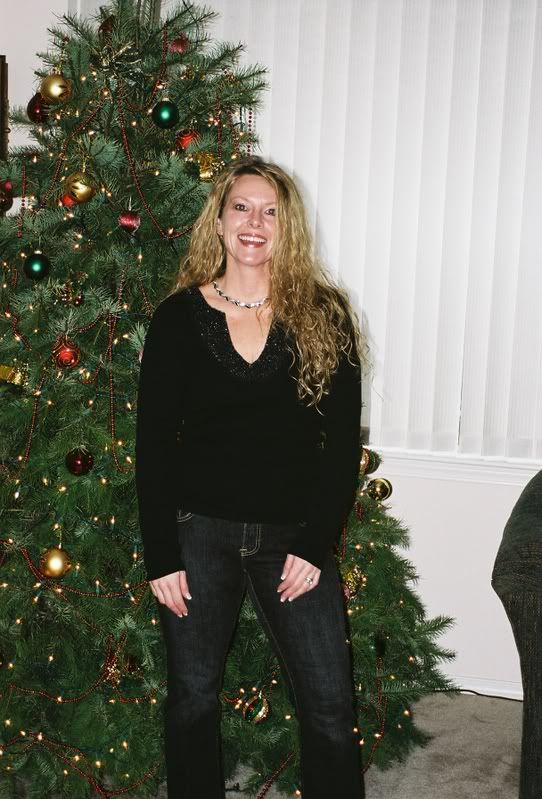
Hello my newfound friends, and a short goodbye until we meet again. My name is Candie and this is my second year back in school since 1989. Wow, I know what some of you are thinking, “She is older than my grandfather’s buck skin rubber”, am I allowed too say that? Oops, I just did! Nonetheless, I work fulltime as a surgical assistant and the skills that I have endured along the way will help fulfill my future passion of becoming a nurse. I am currently engaged, as I have mentioned a dozen and “one” times during this course work. Together we have 3 girls; they are 8, 10 and 17. Now which one do you think gives us the hardest time? Hmmmm. Yep, you guessed it, ALL OF THEM. As for my educational goals, I have one more year of prerequisites before I am able to apply for the nursing program and I am sooooo excited! I realize not everything goes according to plan, but it’s my time to shine.J
When I first started back in college my biggest concern was actually taking English again. Why, I am not sure, but I think maybe because I wasn’t that good at it in high school. That would have meant that you would actually have to apply yourself to it right? Plus, my confidence level was low on the “Richter scale” clearly before taking this class. Through English 101D I have really found that I love to write, more on the humorous side, yet still making sure of getting my point across. This diversity class has been a genuine eye opener for my family and me. As I started going through each theme, starting with identity then community and lastly tradition, I first used my family as a sounding board. After that, they became examples, when I caught or corrected them for making judgmental statements that were out of my new comfort zone. Why did I say “my” comfort zone you ask, well I based what they did or said on my new intelligence level of understanding what each of these topics illustrate.
After I had signed up for English 101D I reviewed the syllabus a second time and really got excited about the topics we were about to explore. One would think that Identity, community and tradition are commonly recognized topics that you already know everything about. Well, they are to an extent. What you see on the surface is just the top of the skin and underneath there are many different layers.
The first layer is the judgmental layer; this pertains not only to identity, but also to community and tradition. By this I mean that people’s identities are judged by what they wear, how they talk, what their manners are and maybe even their intelligence levels. As for communities, you step outside the boundaries by judging how their community is made up and if you are good enough to belong. Lastly tradition, these are judged on a daily basis as well. There are many different cultures as well as religions, languages and so on. Is one way to celebrate Thanksgiving better than another? NO, but who am I to judge. The second layer would be acceptance, each of these topics encounter a sense of belonging within certain guidelines. Whose guidelines are they to base this off of? Yours, mine, our neighbors, city counsel, yes all, because all of these people form a society. There are many more layers but I can go on for hours because these layers go so deep.
So as you can see, English 101D has reflected upon my critical thinking skills, creative writing skills, summary and analysis comprehension as well as being able to realize there are more angles to a story then just one and I should evaluate each side before coming to a conclusion. I have learned not to sweat the small stuff and look at the bigger picture. I wasn’t that great of a paper writer coming into this class, as I am a little more confident about producing a decent paper now. However, I know that I tend to wonder off of the subject that I am writing about. I think this is because I get in a certain mind set and I’m off to another land. If I could use my critically thinking skills to look at the facts that pertain just to the topic at hand, give it a backbone and end with a solid conclusion I would make when heck of a writer. I do know this, but in all honesty, I like to listen, listen to what people have to say, share their experiences and learn from them all. There are all types of authors but not all of them are writers.
For the last major critiquing assignment from our own point of view, good and bad or just okay, we’re to choose 4 individual writing styles that meant something to us.
- Critical Thinking: Discussion Board #1 Masks (Under the Mask)
- Revision/Reseeing: Paper #2 (Community: “Like a Rock”)
- Awareness of Audience and Voice: Blog “Community” assignment
- Writer’s Choice: Paper #1 (Who are You Wearing)
Just to highlight on my choices, I chose my brainstorming discussion board assignment “Under the Mask”. This gave me free reigns to allow all of the mumbo jumbo feelings, thoughts and deep analysis’ to gush out for some critical thinking skills I didn’t realize I had...
As for my revision/re-seeing paper, (Community: “Like a Rock”), I was weak in not only my thesis but with concrete support and analysis to back it up. I tend to sway of the path quite a bit and I wanted to try to get back on the straight and narrow by revising this piece the best that I can. This is a talent that some have more of than others. I am in the “others” category.
For audience and voice category I feel this to be my most powerful message I try to express. My topic is being a cancer survivor with a strong community. Being a cancer survivor myself, this was a short blurb on my blog, but one with a statement for all to think about if you have to deal with someone close in your “community” that has cancer. “All of my strengths are their weaknesses and their weaknesses are my strengths”.
Last but not least “Writer’s Choice”, this was a highlighted story on identity; which is a real eye opener for all of us in the world today on how much we judge one another to how we form someone’s identity. I had a lot of in-depth feelings that I let out on this piece. Some may view them right, and some may view them wrong but at least they are “my feelings”.
I hope that I have been able to intrigue your curiosity thus far in hopes that you are chomping at the bit to read on. This quarter has come to an end fast, at least it was at a pace that I was able to look deeply into the true meaning of identity, community and tradition. I can see people’s identities without judging, I can feel the tightness of their communities and I will be open minded and accepting of new traditions. Thank you and enjoy!
Sincerely,
Candie Sisk
When I first started back in college my biggest concern was actually taking English again. Why, I am not sure, but I think maybe because I wasn’t that good at it in high school. That would have meant that you would actually have to apply yourself to it right? Plus, my confidence level was low on the “Richter scale” clearly before taking this class. Through English 101D I have really found that I love to write, more on the humorous side, yet still making sure of getting my point across. This diversity class has been a genuine eye opener for my family and me. As I started going through each theme, starting with identity then community and lastly tradition, I first used my family as a sounding board. After that, they became examples, when I caught or corrected them for making judgmental statements that were out of my new comfort zone. Why did I say “my” comfort zone you ask, well I based what they did or said on my new intelligence level of understanding what each of these topics illustrate.
After I had signed up for English 101D I reviewed the syllabus a second time and really got excited about the topics we were about to explore. One would think that Identity, community and tradition are commonly recognized topics that you already know everything about. Well, they are to an extent. What you see on the surface is just the top of the skin and underneath there are many different layers.
The first layer is the judgmental layer; this pertains not only to identity, but also to community and tradition. By this I mean that people’s identities are judged by what they wear, how they talk, what their manners are and maybe even their intelligence levels. As for communities, you step outside the boundaries by judging how their community is made up and if you are good enough to belong. Lastly tradition, these are judged on a daily basis as well. There are many different cultures as well as religions, languages and so on. Is one way to celebrate Thanksgiving better than another? NO, but who am I to judge. The second layer would be acceptance, each of these topics encounter a sense of belonging within certain guidelines. Whose guidelines are they to base this off of? Yours, mine, our neighbors, city counsel, yes all, because all of these people form a society. There are many more layers but I can go on for hours because these layers go so deep.
So as you can see, English 101D has reflected upon my critical thinking skills, creative writing skills, summary and analysis comprehension as well as being able to realize there are more angles to a story then just one and I should evaluate each side before coming to a conclusion. I have learned not to sweat the small stuff and look at the bigger picture. I wasn’t that great of a paper writer coming into this class, as I am a little more confident about producing a decent paper now. However, I know that I tend to wonder off of the subject that I am writing about. I think this is because I get in a certain mind set and I’m off to another land. If I could use my critically thinking skills to look at the facts that pertain just to the topic at hand, give it a backbone and end with a solid conclusion I would make when heck of a writer. I do know this, but in all honesty, I like to listen, listen to what people have to say, share their experiences and learn from them all. There are all types of authors but not all of them are writers.
For the last major critiquing assignment from our own point of view, good and bad or just okay, we’re to choose 4 individual writing styles that meant something to us.
- Critical Thinking: Discussion Board #1 Masks (Under the Mask)
- Revision/Reseeing: Paper #2 (Community: “Like a Rock”)
- Awareness of Audience and Voice: Blog “Community” assignment
- Writer’s Choice: Paper #1 (Who are You Wearing)
Just to highlight on my choices, I chose my brainstorming discussion board assignment “Under the Mask”. This gave me free reigns to allow all of the mumbo jumbo feelings, thoughts and deep analysis’ to gush out for some critical thinking skills I didn’t realize I had...
As for my revision/re-seeing paper, (Community: “Like a Rock”), I was weak in not only my thesis but with concrete support and analysis to back it up. I tend to sway of the path quite a bit and I wanted to try to get back on the straight and narrow by revising this piece the best that I can. This is a talent that some have more of than others. I am in the “others” category.
For audience and voice category I feel this to be my most powerful message I try to express. My topic is being a cancer survivor with a strong community. Being a cancer survivor myself, this was a short blurb on my blog, but one with a statement for all to think about if you have to deal with someone close in your “community” that has cancer. “All of my strengths are their weaknesses and their weaknesses are my strengths”.
Last but not least “Writer’s Choice”, this was a highlighted story on identity; which is a real eye opener for all of us in the world today on how much we judge one another to how we form someone’s identity. I had a lot of in-depth feelings that I let out on this piece. Some may view them right, and some may view them wrong but at least they are “my feelings”.
I hope that I have been able to intrigue your curiosity thus far in hopes that you are chomping at the bit to read on. This quarter has come to an end fast, at least it was at a pace that I was able to look deeply into the true meaning of identity, community and tradition. I can see people’s identities without judging, I can feel the tightness of their communities and I will be open minded and accepting of new traditions. Thank you and enjoy!
Sincerely,
Candie Sisk
Many Masks
The critical thinking writing I chose to reflect upon is not really a writing it is a discussion board topic of brainstorming and being able to analyze what a certain passage meant to you. I chose the chapter reading The Mask, by Lucy Grealy from our Remix book by Catherine G. Latterell.
The Mask really tugged at the heartstrings. This short story really challenged me in staying more focused on the meaning behind the story rather than just staying in a frame of mind that said “I feel so sorry for this little girl”, there was a bigger picture involved.
The Mask really tugged at the heartstrings. This short story really challenged me in staying more focused on the meaning behind the story rather than just staying in a frame of mind that said “I feel so sorry for this little girl”, there was a bigger picture involved.
Under The Mask
BRAINSTORMING INFORMATION-
"Hey, girl, take off that monster mask-oops, she's not wearing a mask!"(42),
Comments that she had to deal with. "By this time my hat had become part of me" (43)
What better to hide behind then keep facing the world without it? "No one could see me clearly. No one could see my face" (43) "the other kids say that you're slowly dying..." (43)
The cruelty and stupidity of not only kids, but many people. Their stupid ness comes out when people are scared or uneducated."...This scene gave me such a deep sense of fulfillment, nor why this fulfillment was mingled with such a sad sense of longing, nor why this longing only added to the beauty of everything else." (44)
She was always looking to the positive side of everything that involved beauty; for that was one thing she did not have herself. "I felt so old, and I felt proud of being so old." (45)
'My initial tactic was to pretend I didn't hear them, but this only seemed to spur them on."(45)
This refers back to my very first sentence on cruelty. "I walked down the streets suddenly bold and free: No one could see my face." (46)
She ran, laughed joked, asked questions and was a free butterfly gliding through the night without a care in the world because nobody knew the real her that night of Halloween. It is sad that one has to stoop to this level to be free and feel like you finally belong... "At home, when I took the mask off, I felt both sad and relieved." (47)
She was said for stooping so low for a few hours of happiness acting like she was royalty, but she wouldn't want to live this life of lies... "Then I would catch myself, guilty of exactly the thing I was accusing others of."(47)
"I viewed other people both critically and sympathetically." (47)
These were phrases and sentences that all had some sort of meaning to me. UNFAMILIAR WORDS. Ewing’s sarcoma, besotted, donned, inextricably, sidling, macabre, negated and contemptuous. I did look these up and write down each of their meanings to make the sentences they were in make sense to me.
IMPORTANT PASSAGES-
1. "I felt such freedom: I waltzed up to people effortlessly and boldly, I asked questions and made comments the rest of my troupe were afraid to make. I didn't understand their fear. I hadn't realized just how meek I'd become, how self-conscious I was about my face until now that it was obscured."(43). She finally looked and was able to act like all the rest of her friends without having to reveal who she really was. The costume gave her courage to say and do things she wouldn't normally do, she wasn't judged. She was able to be a kid with no worries for a couple of hours. I think the author is implying that we are not always honest with the rest of the world when we try to be something that we are not...
2. "The verse I read was about love, about how to accept the love of another with dignity. I shut the book after only a page. I wanted nothing to do with the world of love; I thought wanting love was a weakness to be overcome." (45) You should except and give love automatically without having to fake the effort. She did not want anything to do with love because she felt it was a waste of time, energy and a weakness for those who longed for love. She felt the world did not love her, because if it did, she shouldn't look the way she does or live the life she was dealt. It was a bitterness she had; she had to live with the ugliness inside her as well as on the outside of her. I think the author was trying to say that the world around us embraces you as much as you embrace it. You get out of it what you put into it...
3. "I felt so old, and I felt proud of being so old." (45) She was thinking back four years earlier where she thought that she wouldn't be around to see her sixth grade graduation due to her illness. But yet, it seemed like forever if she were to make it that long with what she had to go through day in and day out. She was proud though when she did make it and the four years it took her to get there aged her in many ways. It aged her in experiences of cruelty to the mind, body and her soul, but she made it!!!!!! I think the author is trying to say that life is too short to take for granted. Something’s seem impossible to reach, and when you do reach it, it feels like forever.
"Hey, girl, take off that monster mask-oops, she's not wearing a mask!"(42),
Comments that she had to deal with. "By this time my hat had become part of me" (43)
What better to hide behind then keep facing the world without it? "No one could see me clearly. No one could see my face" (43) "the other kids say that you're slowly dying..." (43)
The cruelty and stupidity of not only kids, but many people. Their stupid ness comes out when people are scared or uneducated."...This scene gave me such a deep sense of fulfillment, nor why this fulfillment was mingled with such a sad sense of longing, nor why this longing only added to the beauty of everything else." (44)
She was always looking to the positive side of everything that involved beauty; for that was one thing she did not have herself. "I felt so old, and I felt proud of being so old." (45)
'My initial tactic was to pretend I didn't hear them, but this only seemed to spur them on."(45)
This refers back to my very first sentence on cruelty. "I walked down the streets suddenly bold and free: No one could see my face." (46)
She ran, laughed joked, asked questions and was a free butterfly gliding through the night without a care in the world because nobody knew the real her that night of Halloween. It is sad that one has to stoop to this level to be free and feel like you finally belong... "At home, when I took the mask off, I felt both sad and relieved." (47)
She was said for stooping so low for a few hours of happiness acting like she was royalty, but she wouldn't want to live this life of lies... "Then I would catch myself, guilty of exactly the thing I was accusing others of."(47)
"I viewed other people both critically and sympathetically." (47)
These were phrases and sentences that all had some sort of meaning to me. UNFAMILIAR WORDS. Ewing’s sarcoma, besotted, donned, inextricably, sidling, macabre, negated and contemptuous. I did look these up and write down each of their meanings to make the sentences they were in make sense to me.
IMPORTANT PASSAGES-
1. "I felt such freedom: I waltzed up to people effortlessly and boldly, I asked questions and made comments the rest of my troupe were afraid to make. I didn't understand their fear. I hadn't realized just how meek I'd become, how self-conscious I was about my face until now that it was obscured."(43). She finally looked and was able to act like all the rest of her friends without having to reveal who she really was. The costume gave her courage to say and do things she wouldn't normally do, she wasn't judged. She was able to be a kid with no worries for a couple of hours. I think the author is implying that we are not always honest with the rest of the world when we try to be something that we are not...
2. "The verse I read was about love, about how to accept the love of another with dignity. I shut the book after only a page. I wanted nothing to do with the world of love; I thought wanting love was a weakness to be overcome." (45) You should except and give love automatically without having to fake the effort. She did not want anything to do with love because she felt it was a waste of time, energy and a weakness for those who longed for love. She felt the world did not love her, because if it did, she shouldn't look the way she does or live the life she was dealt. It was a bitterness she had; she had to live with the ugliness inside her as well as on the outside of her. I think the author was trying to say that the world around us embraces you as much as you embrace it. You get out of it what you put into it...
3. "I felt so old, and I felt proud of being so old." (45) She was thinking back four years earlier where she thought that she wouldn't be around to see her sixth grade graduation due to her illness. But yet, it seemed like forever if she were to make it that long with what she had to go through day in and day out. She was proud though when she did make it and the four years it took her to get there aged her in many ways. It aged her in experiences of cruelty to the mind, body and her soul, but she made it!!!!!! I think the author is trying to say that life is too short to take for granted. Something’s seem impossible to reach, and when you do reach it, it feels like forever.
Hard As A Rock
Community, “Like a Rock” is paper #2 that I chose to revise. Although I originally thought that it was a solid paper, I veered off the path again and did not provide a focused thesis as well as cast-iron support and analysis. Once again this wasn’t my best writing but I liked the title and the topic. This assignment was for us to use are noggins and put our skills to the test and support one of the chapter’s three assumptions.
-Communities provide us with a sense of stability
-Communities serve our needs
-Communities accept us for who we are
Community is defined as a unit or a close nit unique group. This is a varied range; it could start out as a neighborhood community that you live in to a community of people who support using animals for lab tests. To me finding the correct community is a struggle, you will fit into many different ones, but only you can tell if it is for you. I am going to put my thinking cap on, revisit the readings in hope to still keep my thesis but use some critical analyzing and creative writing skills that are deep within me. Here I go!
-Communities provide us with a sense of stability
-Communities serve our needs
-Communities accept us for who we are
Community is defined as a unit or a close nit unique group. This is a varied range; it could start out as a neighborhood community that you live in to a community of people who support using animals for lab tests. To me finding the correct community is a struggle, you will fit into many different ones, but only you can tell if it is for you. I am going to put my thinking cap on, revisit the readings in hope to still keep my thesis but use some critical analyzing and creative writing skills that are deep within me. Here I go!
Community: "Like a Rock" Revised
Candie Sisk
Prof. Lolly Smith and Prof. Phebe Shen
English 101D
16 February 2007
Community: “Like a Rock”
Many contributing factors are involved in the formation of a community. It would be simple to take the surface traits such as place, time, and density of population to categorize a city. In fact, looking slightly deeper at things like religion, ethnic background, and wealth would also help understand the true bond and complex energy a community provides for its residents. In order to figure out the source and intention of the energy, it’s necessary to figure out what the simple and complex factors have in common. Location, ethnic background, and dinnertime stories are all examples that help individuals intertwine their lives and bring families together as a strong community. Community is constant. Community is stable.
Despite other people’s separate lives, community is the one element that can bring them together and provide a cause for joy in the common ground they all share. Common ground can understandingly be described through a metaphor that everyone on earth can relate to. In Rosario Morales’s “Ending Poem” she makes a reference to herself as a leaf on a tree that was grown in the soil of her homeland. Taking the tree reference further, it would be safe to say that everyone is born from the same “dirt.” A tree would be the foundation with multiple branches to represent the diversity of the community. Smaller branches become families, and eventually find that they have become a distinguished leaf. Even after the leaf is fully grown, the branch holds all the leaves together in the same way a family holds all individuals together. The main branches support all the twigs together in the same way that common factors such as location, religion, and ethnic background hold many groups of families together. The trunk of a tree will maintain all the smaller groups in a community the way an entire city will accommodate a diverse group of people. Above all else, the ground will still be intact with roots no matter what goes on above. Just as all as humans originate and end the same way. Thus, a broad sense of community, from a neighborhood to the human race, is a good form of stability.
Stability for some comes in the form of a house or a car. For others, it may be a steady job or a city that they have grown up in. Many people may look at community simply as a basic location. The complete meaning of community would be lost if it were thought solely as a destination. For example, in the early 1900’s; New York City was home to many immigrants from countries such as Germany, Ireland, and England. Although their homes may have been far apart, they all found separate centralized communities, where their way of life could be accepted and shared. In turn, this allowed many of them to live as they did back home. This made their adjustment to America easier, and provided them with many opportunities to better their lives..
Maya Angelou, in Reclaiming Our Home Place, makes a different point on location: “One of America’s worst race riots occurred in Atlanta, in 1906, yet today it is home to many African Americans who choose to live there happily . . .The Civil War was fought all over the South, and alas it is still being fought in some people’s hearts.” (135) Maya Angelou, in making her point about community, and sent a powerful message. Maya Angelou insisted the people in an area and the attitude of those people; shape the actions that make a functioning community. The attitude, location, religion and age of a person can influence a community. Many contributing factors change the stability to what the communities are capable of becoming. History shows that a single location will not always provide the same stimulating community; and present day shows that a single sector of people will not always have the same attitude. In return this will not create the same group of people. Overall, the community gives a sense of belonging, which gives people use for their actions, feelings, and words. This creates values and family stories that originate in the community. This community is more than just surface traits, it’s a place to go back to and look at when everything born with in it fails. It’s square one. It’s constant. It’s the stability . . . “Like a rock.”
Prof. Lolly Smith and Prof. Phebe Shen
English 101D
16 February 2007
Community: “Like a Rock”
Many contributing factors are involved in the formation of a community. It would be simple to take the surface traits such as place, time, and density of population to categorize a city. In fact, looking slightly deeper at things like religion, ethnic background, and wealth would also help understand the true bond and complex energy a community provides for its residents. In order to figure out the source and intention of the energy, it’s necessary to figure out what the simple and complex factors have in common. Location, ethnic background, and dinnertime stories are all examples that help individuals intertwine their lives and bring families together as a strong community. Community is constant. Community is stable.
Despite other people’s separate lives, community is the one element that can bring them together and provide a cause for joy in the common ground they all share. Common ground can understandingly be described through a metaphor that everyone on earth can relate to. In Rosario Morales’s “Ending Poem” she makes a reference to herself as a leaf on a tree that was grown in the soil of her homeland. Taking the tree reference further, it would be safe to say that everyone is born from the same “dirt.” A tree would be the foundation with multiple branches to represent the diversity of the community. Smaller branches become families, and eventually find that they have become a distinguished leaf. Even after the leaf is fully grown, the branch holds all the leaves together in the same way a family holds all individuals together. The main branches support all the twigs together in the same way that common factors such as location, religion, and ethnic background hold many groups of families together. The trunk of a tree will maintain all the smaller groups in a community the way an entire city will accommodate a diverse group of people. Above all else, the ground will still be intact with roots no matter what goes on above. Just as all as humans originate and end the same way. Thus, a broad sense of community, from a neighborhood to the human race, is a good form of stability.
Stability for some comes in the form of a house or a car. For others, it may be a steady job or a city that they have grown up in. Many people may look at community simply as a basic location. The complete meaning of community would be lost if it were thought solely as a destination. For example, in the early 1900’s; New York City was home to many immigrants from countries such as Germany, Ireland, and England. Although their homes may have been far apart, they all found separate centralized communities, where their way of life could be accepted and shared. In turn, this allowed many of them to live as they did back home. This made their adjustment to America easier, and provided them with many opportunities to better their lives..
Maya Angelou, in Reclaiming Our Home Place, makes a different point on location: “One of America’s worst race riots occurred in Atlanta, in 1906, yet today it is home to many African Americans who choose to live there happily . . .The Civil War was fought all over the South, and alas it is still being fought in some people’s hearts.” (135) Maya Angelou, in making her point about community, and sent a powerful message. Maya Angelou insisted the people in an area and the attitude of those people; shape the actions that make a functioning community. The attitude, location, religion and age of a person can influence a community. Many contributing factors change the stability to what the communities are capable of becoming. History shows that a single location will not always provide the same stimulating community; and present day shows that a single sector of people will not always have the same attitude. In return this will not create the same group of people. Overall, the community gives a sense of belonging, which gives people use for their actions, feelings, and words. This creates values and family stories that originate in the community. This community is more than just surface traits, it’s a place to go back to and look at when everything born with in it fails. It’s square one. It’s constant. It’s the stability . . . “Like a rock.”
Community: "Like a Rock" Original
Candie Sisk
Professor Lolly Smith
English 101
16 February 2007
Community: “Like a Rock”
Many contributing factors are involved in the formation of a community. It would be simple to take the surface traits such as place, time, or density of population to categorize a city. In fact, looking slightly deeper at things like religion, ethnic background, or wealth would also do little to help understand the true bond and complex energy a community feeds its residents. In order to figure out the source and intention of the energy, it’s necessary to figure out what the simple and complex factors have in common. How do location, ethnic background, and dinnertime stories all help individuals, intertwine their lives and bring them together as a community? Community is constant. Community is stable. Despite other people’s separate lives, community is the one element that can bring them together and provide a cause for joy in the common ground they all share.
Common ground can, understandingly, be described through a metaphor everyone on earth can relate to. In Rosario Morales’s Ending Poem she makes a reference to herself as a leaf on a tree that was grown in the soil of her homeland. Taking the tree reference further, it would be safe to say that everyone is born from the same “dirt.” A tree could perhaps be location. Several branches of culture on a location make a diverse city with several bunches of branch communities. Smaller branches become families, and eventually one will find they have become a perfectly distinguished leaf. Even after the leaf is fully grown, the branch holds all the leaves together in the same way a family holds all individuals together. The main branch holds all the smaller branches together in the same way common factors such as location, religion, or ethnic background holds many groups of families together. The trunk of the tree will hold all the smaller groups in a community the way an entire city will accommodate a diverse group of people. Above all else, the ground will still be intact with roots no matter what goes on above, just as all humans originate and end the same way. Thus, a broad sense of community, from a neighborhood to the human race, is the ultimate form of stability.
Stability for some comes in the form of a house or a car. For others, it may be a steady job or the city they have grown up in. Although many people may look at community as something as plain as location, the complete meaning of community would be lost if it were thought of solely as a destination. For example, in the early 1900’s, New York City was home to many immigrants from countries such as Germany, Ireland, and England. Although their homes may have been far apart, they all found separate centralized communities in the same general city where their way of life could be accepted and shared. In turn, this allowed many of them to live as they had back home, make their adjustment to America easier, and provide them with an opportunity to better their situation through methods routine and acceptable to their culture: all of this, consequently, stabilizing.
Maya Angelou, in Reclaiming Our Home Place, makes a different point on location. “One of America’s worst race riots occurred in Atlanta, in 1906, yet today it is home to many African Americans who choose to live there happily. . .The Civil War was fought all over the South, and alas it is still being fought in some people’s hearts.” Maya Angelou, in making her point about community, sent a powerful message that insisted the people around an area and the attitude of people in the time shape the attitudes and actions that make a functioning community. In Short; the time, place, and occurrences are all stabilized by the community’s choice of actions and attitudes.
Everything from attitude to location to religion to age group can influence a community, but no factor changes the sense of stability any and all communities can, do, and will always create. History shows that a single location will not always provide the same stimulating community, and present day shows that a single sector of people will not always have the same attitudes and in turn will not create the same community. Overall, community gives a sense of belonging. Belonging which gives people purpose for their actions, feelings, and words. Actions, feelings, and words created out of a collection of values and family stories. Values and family stories that originate in the community. Community is a lot more than surface traits. It’s a place to go back to or look back upon when everything born out of it fails. It’s square one. It’s constant. It’s the stability. . . “Like a rock.”
Professor Lolly Smith
English 101
16 February 2007
Community: “Like a Rock”
Many contributing factors are involved in the formation of a community. It would be simple to take the surface traits such as place, time, or density of population to categorize a city. In fact, looking slightly deeper at things like religion, ethnic background, or wealth would also do little to help understand the true bond and complex energy a community feeds its residents. In order to figure out the source and intention of the energy, it’s necessary to figure out what the simple and complex factors have in common. How do location, ethnic background, and dinnertime stories all help individuals, intertwine their lives and bring them together as a community? Community is constant. Community is stable. Despite other people’s separate lives, community is the one element that can bring them together and provide a cause for joy in the common ground they all share.
Common ground can, understandingly, be described through a metaphor everyone on earth can relate to. In Rosario Morales’s Ending Poem she makes a reference to herself as a leaf on a tree that was grown in the soil of her homeland. Taking the tree reference further, it would be safe to say that everyone is born from the same “dirt.” A tree could perhaps be location. Several branches of culture on a location make a diverse city with several bunches of branch communities. Smaller branches become families, and eventually one will find they have become a perfectly distinguished leaf. Even after the leaf is fully grown, the branch holds all the leaves together in the same way a family holds all individuals together. The main branch holds all the smaller branches together in the same way common factors such as location, religion, or ethnic background holds many groups of families together. The trunk of the tree will hold all the smaller groups in a community the way an entire city will accommodate a diverse group of people. Above all else, the ground will still be intact with roots no matter what goes on above, just as all humans originate and end the same way. Thus, a broad sense of community, from a neighborhood to the human race, is the ultimate form of stability.
Stability for some comes in the form of a house or a car. For others, it may be a steady job or the city they have grown up in. Although many people may look at community as something as plain as location, the complete meaning of community would be lost if it were thought of solely as a destination. For example, in the early 1900’s, New York City was home to many immigrants from countries such as Germany, Ireland, and England. Although their homes may have been far apart, they all found separate centralized communities in the same general city where their way of life could be accepted and shared. In turn, this allowed many of them to live as they had back home, make their adjustment to America easier, and provide them with an opportunity to better their situation through methods routine and acceptable to their culture: all of this, consequently, stabilizing.
Maya Angelou, in Reclaiming Our Home Place, makes a different point on location. “One of America’s worst race riots occurred in Atlanta, in 1906, yet today it is home to many African Americans who choose to live there happily. . .The Civil War was fought all over the South, and alas it is still being fought in some people’s hearts.” Maya Angelou, in making her point about community, sent a powerful message that insisted the people around an area and the attitude of people in the time shape the attitudes and actions that make a functioning community. In Short; the time, place, and occurrences are all stabilized by the community’s choice of actions and attitudes.
Everything from attitude to location to religion to age group can influence a community, but no factor changes the sense of stability any and all communities can, do, and will always create. History shows that a single location will not always provide the same stimulating community, and present day shows that a single sector of people will not always have the same attitudes and in turn will not create the same community. Overall, community gives a sense of belonging. Belonging which gives people purpose for their actions, feelings, and words. Actions, feelings, and words created out of a collection of values and family stories. Values and family stories that originate in the community. Community is a lot more than surface traits. It’s a place to go back to or look back upon when everything born out of it fails. It’s square one. It’s constant. It’s the stability. . . “Like a rock.”
Wednesday, March 14, 2007
Audience and Voice; Let Me Be Heard
Writing for the public audience has made me realize that some of the information I read today including but not limited to; blog journals, “Dear Maggie Column”, poems, newspapers articles and books are much more than attention gimmicks to buy that product.
Information like this is brought to us to share an experience that one might be going through or has been through so maybe you can cope with it easier. Being heard through these type of passages supply us with educational information as well.
My topic on cancer was for a comforting influence so people and their families/friends don’t think they are alone. There are multiple communities out there for all types of cancers. This blog was very powerful for me to write because I too am a survivor of cancer. This type f forum has taught me to listen more to what the reader has to say, not just to hear it.
"Being a Cancer Survivor is a Community"
In everyday life there is someone who finds out they or a loved one has cancer. It can be the most devastating "C" word you ever hear. Everything runs through your mind from "Am I going to live long, will I lose all of my hair to who is going to help care for my kids"? Maybe not in that order, but these are things that I caught myself thinking about.
I am surrounded daily by people who are cancer survivors and who are still fighting to be a survivor. These people are the most courageous but scared people you will ever meet. All of my strengths are their weaknesses and their weaknesses are my strengths. You stick together, you are always supportive and we never stop raising money to help fight cancer. This elite group of people walks around you and me everyday.
This includes are grandparents, moms, dads, sisters, brothers, husbands, wives, last but not least, our kids! You don't always know it because they don't always show it.
The last thing we need is a bunch of pity. Believe you me; we have our own pity parties when needed. This may include but not limited to lots of chocolates, ice cream, chips dips, candies and whatever else we aren't supposed to have.
We all share the need to survive, the need to protect our families from the pain and the interest to find a cure. Tension can build at times when tests don't come back good but yet you feel good. Doctors not returning calls on time, being sick from treatments and of course exhausted and just wanting to go home from the hospital to your own bed.
I am a survivor, as well as my fiancé, sister, aunt, cousin and two of my closest girlfriends. But I will not forget to mention the ones we have lost and all the new and wonderful people I have met and listened to their stories while attending cancer walks and other fundraisers to fight this battle. I will continue to be in this community and raise money to find cures for all the different types of cancers; so my kids and family as well as yours never have to worry about that world stopping "C" word.
Be Daring and Wear What You Want
This is my introduction to "Who Are You Wearing". This was not only a very challenging assignment as my first paper but it was also a great topic of discussion about identity. To me the definition of identity is based on a person’s character, their perceptions, choices, beliefs then throw in a little of their own experiences as well as their upbringing.
A perfect example is the movie “The Mean Girls”. This movie challenged my thoughts about being an “outcast vs an outsider”. I believe once you have rejected yourself, then you’re alienated as an “outcast”, but being an “outsider” means that you don’t yet belong to any societal group. High school is known for this all too well. High school and now-a-days junior highs “tends to be a microcosm of our society as a whole with hormones raging to up the intensity!”
I did not have to look deep to see how yesteryear's are the same as today’s in which we are still judged or judge others. We need to be more cautious these days because of lawsuits do to slander, sexual harassment as well as ethnic profiling. This piece intrigued me because everyone is always going to form an identity and one will always be judged unless we all are cloned to look, act, feel, talk and dress the same. It’s never ending.
A perfect example is the movie “The Mean Girls”. This movie challenged my thoughts about being an “outcast vs an outsider”. I believe once you have rejected yourself, then you’re alienated as an “outcast”, but being an “outsider” means that you don’t yet belong to any societal group. High school is known for this all too well. High school and now-a-days junior highs “tends to be a microcosm of our society as a whole with hormones raging to up the intensity!”
I did not have to look deep to see how yesteryear's are the same as today’s in which we are still judged or judge others. We need to be more cautious these days because of lawsuits do to slander, sexual harassment as well as ethnic profiling. This piece intrigued me because everyone is always going to form an identity and one will always be judged unless we all are cloned to look, act, feel, talk and dress the same. It’s never ending.
Tuesday, March 13, 2007
"Who Are You Wearing?"
Who Are You Wearing?
In today’s society it is much more popular to determine a person’s identity by their reputation, rather than their character. A person’s reputation is based on the thoughts or words that the rest of the world thinks or says about him or her. It is most commonly determined by the crowd that a person belongs to or the way that person expresses their self. However, a person’s character is based on what type of person they believe themselves to be. Their character is their personal perception. It is shaped by their choices, their beliefs, their experiences, their upbringing, as well as their actions. If identity is who a person is, it is also what defines someone. Each day people are constantly judged by their appearance; whether that person looks dirty, snobby, nerdy, gothic, preppy, gay, or rebellious. At first glance, two people who never met may subconsciously prejudge one another before either of them can defend them self based upon what they're wearing.
If you were to walk into a high school cafeteria you would see a variety of groups, also known as “clicks.” For example: preps, jocks, nerds, etc. If you see someone who has glasses, a sweater, khakis, and is rather intelligent, most people would make the assumption that he or she is a “know it all,” or nerd. It may also be assumed when someone participates in sports and dresses athletically, that they are unintelligent, leading to the common labeling of them as “dumb jocks.” Furthermore, if someone wears Abercrombie and Fitch, Hollister, or American Eagle, then they are most of the time considered wealthy. However, many seem to forget that the fashion may have simply been passed down to them or even bought for half price at Ross. Some people only look at the price or label of clothing before noticing how that person is really expressing them self. Which when truth be told you could buy a $100 pair of jeans from Ralph Lauren and look just as good if you were to buy them for $15 from Value Village and cut holes in them yourself in order to add a little of your character to them. In all actuality, it could be argued that if we were unable to see the way someone dressed before we prejudged them, then we may better get to know them based on their personality instead of assuming who they are by the style they wear. However, society will never change their point of view on fashion’s influences within the teenage population, if high school continues to be a vivid reflection of the industrial and professional world.
It seems that when a person graduates from high school, and then college, and finishes their career as a student, that he or she is to know them self. Yet, again, why is it that in today’s society, even entering the professional world, a person struggles with their identity? At any major industrial organization, simple corporation, or even private business establishment, each will have its own high school “scene.” There are those, mainly women, which are said to get ahead in their work, because they have “sex appeal.” Women are constantly stereotyped by their fashion sense. If a woman shows up to work in a short skirt, white blouse, and a black bra and receives a promotion, many of her co-workers would think, “maybe she slept with the boss, I always see her flirting with the men around here.” Yet, had a different woman, wearing slacks, cute colorful shirts, with her hair pinned up, given the same job title with the same responsibility gotten that promotion, would people have reacted differently? Phrases like, “she worked really hard,” “she deserved it,” or “she’s a really great choice” probably would have been the more accurate depiction of that certain situation. So, what is the difference, between fashion in high school and fashion in the professional world? Society today is about what someone is wearing, not who a person really is. Everyone is constantly surrounded by a world of self conscious, judgmental, and scared people. Why scared? Think about our nation’s discrimination towards people of 3rd world nationalities. Even being labeled “American” causes someone to struggle with their identity.
Ever since September 11, 2001, our nation has striven to regain a sense of security. Although, how can the people of our country live peacefully among each other, if every other news broadcast, or Newsweek cover page, tells us that our enemies are among us? It doesn’t matter if that is said directly, or implied by a photo of a child, holding a gun, begging the question of whether or not he will grow up to be the next terrorist that attacks this country. It is a given that in everyday situations, when a person sees someone with an Iraqi ethnicity or “look,” assuming the mental image is clear, that person will most likely be frightened, have a heightened sense of awareness, or maybe even become filled with hate. Why? If people were to look back at the information, the men who attacked the World Trade Centers were more commonly wearing jeans and a t-shirt. However, because these men, although identified as possibly “Iraqi-Americans” or even “American citizens,” came from a foreign country, it is only correct of our people to assume that the rest of their society is out to get us. Is that right? Many say that “clothes are a person’s way of self identification.” During this era, people can no longer get away with the saying, “it’s just what I like to wear.” America has become dependent on defining themselves. People need a place to belong. So where do the fashion industries draw the line? Clothes will affect our reputation, probably for the rest of time, until schools begin handing out uniforms, and offices actually enforce dress codes. Then again, where does America draw the line between equality and restricted self-expression?
For good or evil, it seems that fashion in relation to our identity pervades our daily lives, helping us to shape who we really are. Identity is based upon another person’s initial reaction or thought; even though two people may have never met, it is possible that both people unrightfully took away the other’s ability to define their self. As long as we accept that we are being judged and categorized based upon our appearance and recognize that our forms of self-expression are a reflection of our character, we will become masters at defining our own identity.
A Thank You Not To Go Unnoticed
This final thank you goes out to all my English 101 classmates and of course our wonderful instructors. Without all the feedback, comments and constructive criticism that were given, we would not be as confident in our writing skills that we possess today and I THANK YOU ALL. As for another thank you that I don’t want to go unnoticed is that of my family. I give thanks to my family for allowing me to take precious time away from them to go back to school and reach my goal of becoming a Nurse. I would not be where I am today without all of your support and I THANK YOU from the bottom of my heart.
Monday, March 12, 2007
Subscribe to:
Comments (Atom)